





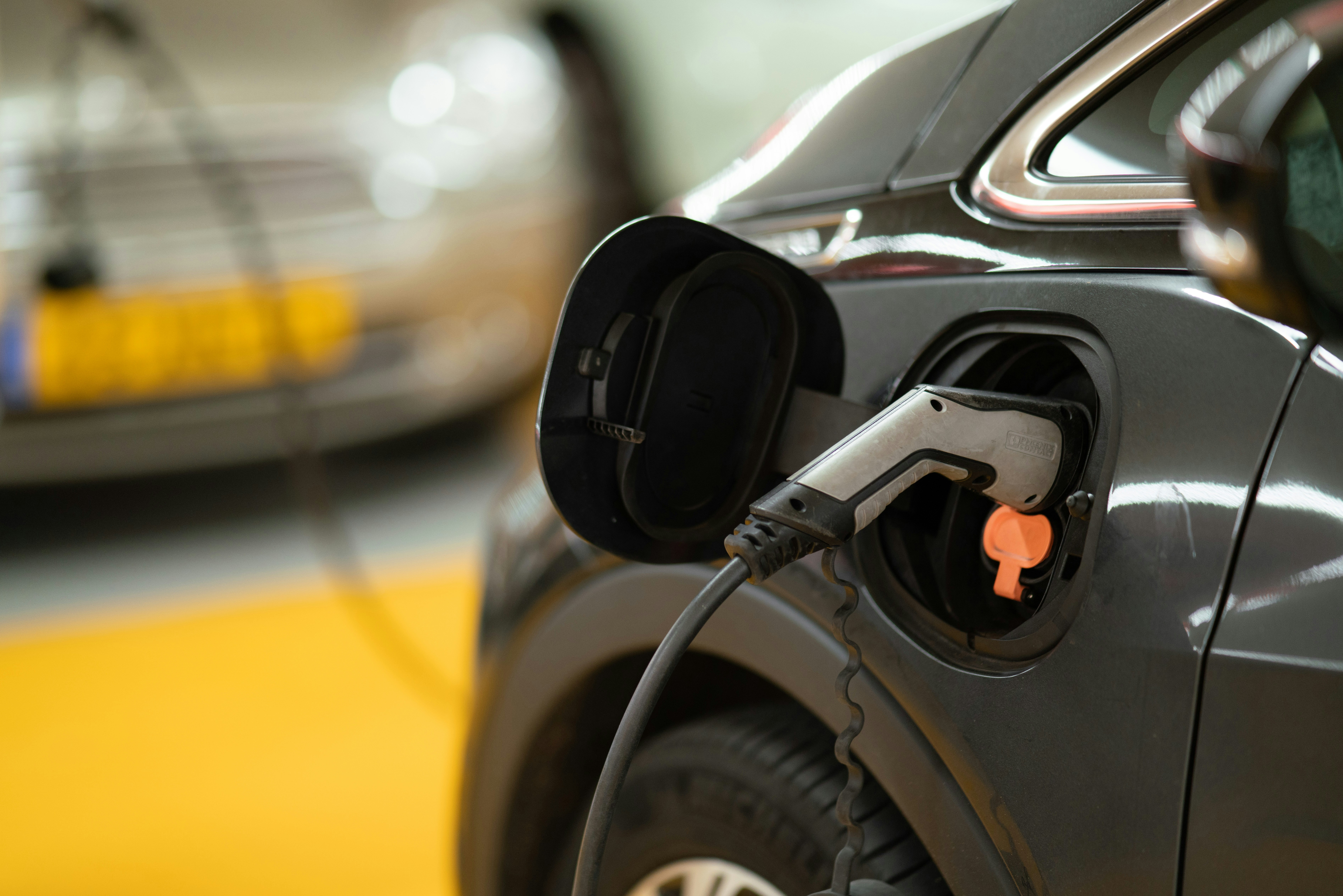
Electric vehicles now account for a significant share of new car sales in California — the nation’s largest EV market. But owning a cutting-edge electric vehicle does not make you immune to defects. Battery failures, charging system malfunctions, software glitches, and range degradation are real problems that leave EV owners frustrated and financially exposed. The good news: California’s Lemon Law covers electric vehicles just as fully as it covers gasoline-powered cars.
If your EV has a defect the manufacturer cannot fix after a reasonable number of repair attempts, you may be entitled to a full refund, a replacement vehicle, or a substantial cash settlement — at no cost to you. This guide explains exactly how California Lemon Law applies to electric vehicles in 2026.
Does California Lemon Law Cover Electric Vehicles?
Yes. California’s Song-Beverly Consumer Warranty Act — the law commonly known as the Lemon Law — applies to any new or certified pre-owned vehicle sold or leased in California under a manufacturer’s warranty. That explicitly includes electric vehicles such as Tesla, Rivian, Lucid, Chevrolet Bolt, Ford Mustang Mach-E, Hyundai Ioniq 6, and every other EV brand on California roads.
The law does not distinguish between propulsion types. What matters is whether the vehicle has a substantial defect covered by the manufacturer’s warranty that significantly impairs its use, value, or safety, and whether the manufacturer has had a reasonable number of attempts to fix it without success.
Most Common EV Defects That Qualify Under California Lemon Law
Electric vehicles have unique components that introduce a distinct set of potential defects. The following issues commonly trigger Lemon Law protection when they persist after multiple repair attempts:
Battery Pack Failures: Rapid or unexpected range degradation, battery not holding charge, thermal runaway warnings, or complete battery failure.
Charging System Defects: Inability to charge on Level 1, Level 2, or DC fast chargers; charging port malfunctions; incorrect charge level readings.
Regenerative Braking Malfunctions: Inconsistent braking response, failure to recapture energy, unexpected surges or hesitation.
Software and Over-the-Air Update Failures: Software updates that disable features, create new defects, or cause the vehicle to behave erratically.
Electric Motor Defects: Loss of power, motor failure, unexpected shutdowns while driving.
Thermal Management System Problems: Battery overheating, reduced performance in high or low temperatures, cooling system failures.
Infotainment and Touchscreen Defects: Frozen or unresponsive touchscreens, loss of critical control functions tied to the infotainment system.
How Many Repair Attempts Do You Need for an EV Lemon Law Claim?
California Lemon Law uses a ‘reasonable number of repair attempts’ standard. In practice, this generally means:
Two or more repair attempts for a defect that poses a serious safety risk, such as a battery fire hazard, sudden loss of power while driving, or brake failure.
Four or more repair attempts for any other substantial defect that the dealer cannot resolve.
Thirty or more total days out of service during the warranty period, even if those days are spread across multiple separate repair visits.
For EV-specific issues like persistent charging failures or severe battery degradation, many claims qualify after just two or three dealer visits. An experienced California Lemon Law attorney can evaluate your repair history and tell you whether you have a strong case.
Does a Software Update Count as a Repair Attempt?
This is one of the most frequently asked questions from EV owners — and the answer matters. If a dealership performs a software update specifically to address a reported defect, that visit generally counts as a repair attempt under California Lemon Law, even if no physical parts were replaced. Manufacturers cannot escape liability simply by pushing an over-the-air update that fails to resolve the underlying problem.
Keep records of every service appointment, every software update notification, and every time you report a defect — whether in person, by phone, or through the manufacturer’s app. Those records form the foundation of your Lemon Law claim.
Tesla Lemon Law Claims in California
Tesla is California’s top-selling EV brand and also one of the most frequently cited manufacturers in Lemon Law claims. Common Tesla defects that result in successful buyback or settlement include suspension failures, body panel gaps, phantom braking, Full Self-Driving errors, and touchscreen failures that disable key vehicle controls.
Tesla’s direct-sales model means there are no traditional dealerships — service is handled through Tesla Service Centers. All visits to a Tesla Service Center for a covered warranty defect count as repair attempts under California Lemon Law. If Tesla cannot fix your car after two or more attempts for a serious issue, you likely have a strong claim.
American Lemon Law Group has secured significant settlements against Tesla on behalf of California clients. Learn more at refundyourlemon.com/manufacturers/tesla-lemon-law/.
What Can You Recover Under California Lemon Law for Your EV?
If your electric vehicle qualifies as a lemon, California law entitles you to one of the following remedies:
Full Vehicle Repurchase (Buyback): The manufacturer refunds your down payment, all monthly payments made, registration fees, taxes, and pays off any remaining loan balance. A small mileage deduction applies based on miles driven before the first repair attempt.
Replacement Vehicle: A comparable new vehicle of similar make, model, and configuration, with no additional cost to you unless you select a more expensive option.
Cash Settlement: In some situations — especially if you no longer have the vehicle or wish to keep it — you may receive a negotiated cash payment.
Civil Penalty: If the manufacturer acted willfully in not complying with the law, you may be awarded up to two times the amount of the repurchase price as an additional civil penalty.
Attorney Fees and Costs: The manufacturer pays your attorney fees when you win. There is no cost to you.
How Long Do You Have to File an EV Lemon Law Claim in California?
California Lemon Law claims must generally be filed within one year of the expiration of the applicable express warranty, and no later than six years from the original delivery date of the vehicle. Because EV warranties can vary by component — powertrain warranties often differ from battery pack warranties — it is critical to act quickly and speak with an attorney who understands the nuances of EV warranty coverage.
Get a Free Case Evaluation for Your Defective EV
If your electric vehicle has recurring problems your dealership or manufacturer cannot fix, do not wait. The clock is ticking on your right to file a claim, and every additional repair attempt you pursue without legal representation is documentation you are building for your case.
Call American Lemon Law Group at (877) 311-1133 for a free, no-obligation case evaluation. We have recovered over $50 million for California vehicle owners and maintain a 99% success rate. There is no cost to you — ever.