





California is the largest electric-vehicle market in the country — and EVs come with an entirely new category of defects. Battery degradation, charging failures, and software bugs can be every bit as frustrating, and as hard for manufacturers to fix, as anything in a gas-powered car. The good news: California’s lemon law covers electric vehicles just as fully. If your EV keeps coming back from service with the same unresolved problem, here are the defects that qualify and what to do.
Quick answer: California’s lemon law covers EVs the same as gas cars — including the battery, charging system, motor, and software. The most common qualifying EV defects fall into three buckets: battery (premature degradation, won’t hold a charge, overheating), charging (won’t charge or charges incorrectly), and software (failed over-the-air updates, driver-assist errors, touchscreen failures). If a defect substantially impairs your EV’s use, value, or safety and isn’t fixed after a reasonable number of attempts, you may be owed a buyback or replacement.
Does California lemon law cover electric vehicles?
Yes — without qualification. The Song-Beverly Consumer Warranty Act doesn’t reference propulsion type, so an electric motor is treated no differently than a combustion engine, and a defective battery pack falls under the same framework as a defective transmission. What matters is that the vehicle has a defect covered by warranty, the defect substantially impairs use, value, or safety, and the manufacturer has had a reasonable chance to fix it and failed. The same protections apply to every electric vehicle — start by confirming yours qualifies as a lemon.
The three big EV defect categories
- Battery defects. Rapid or unexpected range loss, a battery that won’t hold a charge, overheating or thermal-runaway warnings, or complete battery failure. Premature capacity loss well beyond the manufacturer’s own specifications is one of the most commonly reported — and hardest to resolve cleanly.
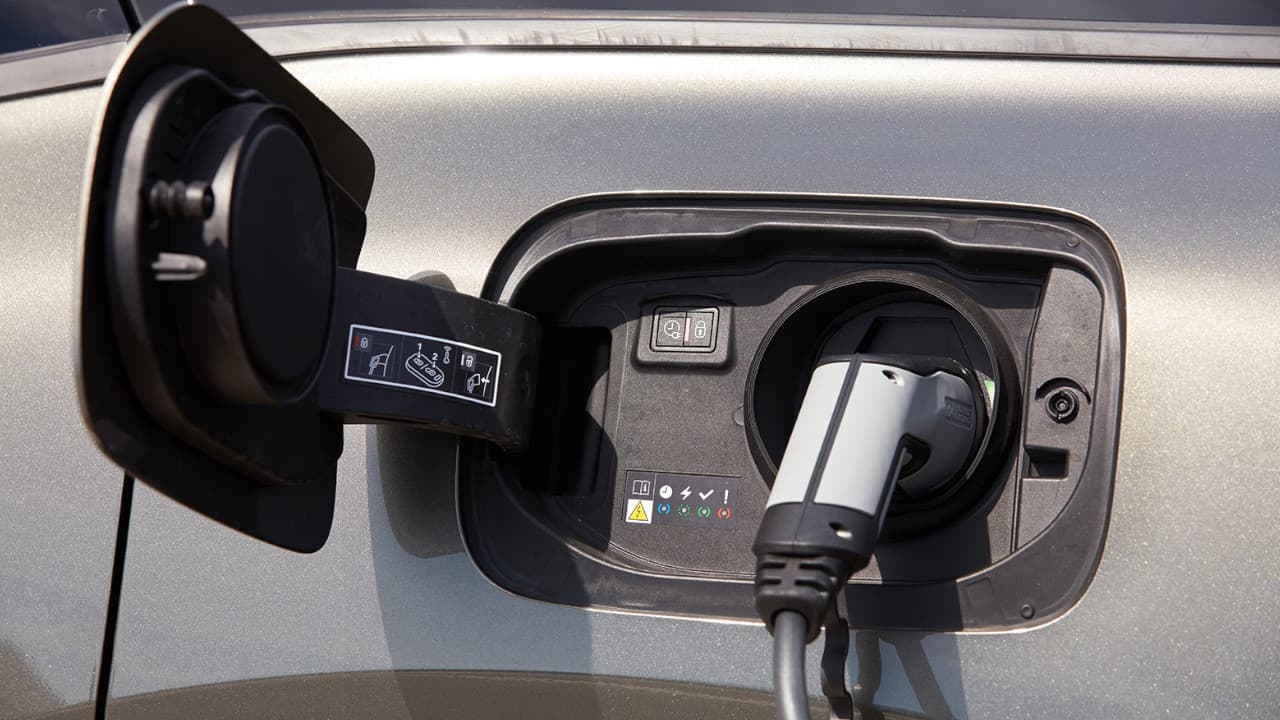
- Charging system defects. The vehicle won’t accept power on a standard outlet, Level 2 charger, or DC fast charger; the charging port malfunctions; charging stops unexpectedly; or the system reports incorrect charge levels. These can leave you with no way to “refuel.”
- Software defects. Over-the-air updates that introduce new problems or disable features, software regressions, driver-assistance (ADAS) errors, and touchscreen failures that disable core controls like climate, navigation, or the backup camera.
Drive-unit failures and regenerative-braking malfunctions show up regularly too. These issues have driven California claims against Tesla, Ford, GM, Hyundai, Kia, Rivian, Lucid, BMW, and others.
The EV warranty advantage
Here’s something many EV owners don’t realize. EVs carry two layers of coverage: a standard new-vehicle warranty (often three or four years) and a separate, federally mandated battery and powertrain warranty that typically runs eight years or 100,000 miles. In California, that separate battery warranty is covered under the lemon law — which means a battery defect that first appears years into ownership, long after the basic warranty expires, can still support a claim. Some states exclude battery capacity loss from protection; California does not.
A software update counts as a repair attempt
This is one of the most important things for EV owners to know. If a dealership or service center performs a software update specifically to address a defect you reported, that visit generally counts as a repair attempt under California’s lemon law — even if no physical parts were replaced. Manufacturers cannot escape liability simply by pushing an over-the-air update that fails to fix the underlying problem. Keep a record of every update and whether the issue actually stopped.
What does NOT qualify
To keep expectations realistic, some things generally don’t support a claim: normal, gradual battery degradation within the manufacturer’s specifications; temporary range reductions caused by cold weather; limitations of public charging infrastructure (as opposed to a defect in your vehicle); and problems caused by post-purchase modifications. The key is distinguishing a genuine defect from normal EV behavior — which is exactly what good documentation and an experienced attorney help establish.
When your EV qualifies
California presumes a vehicle is a lemon if, within the first 18 months or 18,000 miles, the same safety defect had two or more repair attempts, the same substantial non-safety defect had four or more attempts, or the vehicle was out of service for 30 or more cumulative days. For serious EV-specific issues like charging failures or severe battery degradation, many claims qualify after just two or three visits. Even outside that window, you may still have a claim if the defect appeared while under warranty. See how the process works.
How to document an EV claim
EV claims live and die on data. Track your actual range against the manufacturer’s specifications over time to document capacity loss, ask an authorized service center to test battery capacity and give you a written report, save every repair order, record error messages and warning lights, and note each time the vehicle left you stranded. Confirm that each repair order accurately describes the symptom you reported before you leave the dealership.
What you can recover
If your EV qualifies, the manufacturer may have to repurchase it — refunding what you paid (price, taxes, fees, options, and finance payments) minus a mileage offset — or replace it. Incidental costs can include towing, rentals, and even home charging-equipment and installation expenses tied to the vehicle. Where the violation was willful, a civil penalty of up to two times your damages may apply. Our buyback guide explains the math, and our case results show representative outcomes — including claims against Tesla, California’s top-selling EV brand. Because California shifts attorney’s fees onto the manufacturer when you win, this costs you nothing out of pocket.
Think your EV is a lemon?
American Lemon Law Group will review your EV’s repair history at no cost. You can also look up open recalls on your VIN through NHTSA’s recall lookup. Call (877) 311-1133 or request a free case evaluation.
This article is for general informational purposes only and is not legal advice. Defect descriptions reflect issues reported by owners, NHTSA, and manufacturers, not a finding about any specific vehicle. Every case is different and outcomes depend on its facts. Consult a qualified California lemon law attorney about your situation.